Wellness Villas: How Health & Nature Are Shaping Bali’s Vacation Homes
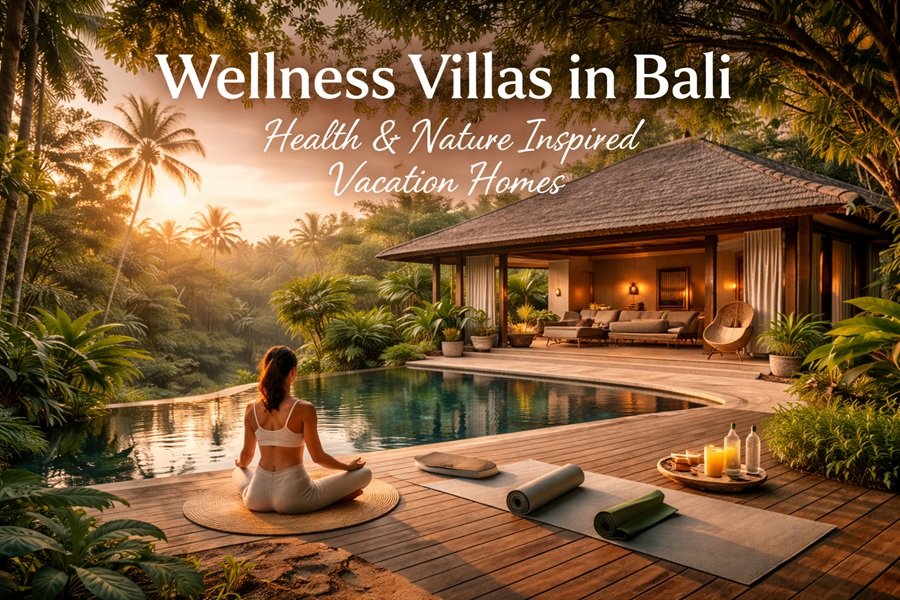
Bali has always been associated with healing landscapes, spiritual rituals, and a slower way of living. Long before the modern concept of wellness travel became popular, visitors came to the island seeking something deeper than a holiday. They came for balance, nature, and peace of mind. In 2025, this long-standing connection between Bali and well-being has begun to influence not only how people travel, but also how villas are designed, built, and experienced. The rise of wellness villas is redefining what luxury accommodation means across the island.
Today, travelers are no longer satisfied with beautiful interiors and private pools alone. They want spaces that make them feel healthier, calmer, and more connected to nature. As a result, Bali’s vacation homes are evolving into holistic environments that support both physical and mental wellness. This shift is transforming the villa market from simple hospitality into something closer to a lifestyle sanctuary.
The idea of a wellness villa begins with the environment itself. Bali’s natural setting offers a powerful foundation for this concept. Tropical greenery, ocean breezes, rice fields, and jungle valleys create a landscape that naturally encourages relaxation. Developers and architects are now designing villas that embrace these surroundings rather than separate guests from them. Instead of enclosed, air-conditioned buildings, many new villas are structured around open living spaces, cross ventilation, and abundant daylight. Guests wake to birdsong, fresh air, and the gentle rustle of palm trees, experiences that feel restorative in a way no artificial system can replicate.
This design philosophy reflects a broader change in travel behavior. Since remote work and longer stays have become more common, visitors treat Bali less like a short vacation and more like a temporary home. People staying for weeks or months prioritize comfort, health, and productivity. They want spaces where they can exercise, meditate, cook healthy meals, and rest deeply. Wellness villas answer these needs by blending hospitality with everyday well-being.
Architecture plays a key role in shaping this experience. Many modern villas incorporate natural materials such as stone, teak wood, bamboo, and lime plaster. These materials not only reduce environmental impact but also create a warmer, more organic atmosphere. Textures feel softer, colors feel calmer, and the overall environment becomes more soothing to the senses. Compared to glossy surfaces and heavy decoration, natural finishes age gracefully and feel more authentic, which resonates strongly with wellness-minded travelers.
Light is another important element. Designers increasingly use large windows, skylights, and open courtyards to allow sunlight to flow throughout the space. Exposure to natural light helps regulate sleep cycles and improves mood, making the villa itself part of the healing process. At night, warm and gentle lighting replaces harsh brightness, creating a cocoon-like environment that encourages rest. These subtle design choices significantly influence how guests feel during their stay, often without them consciously noticing why.
The connection between indoor and outdoor space has also become central to wellness villa design. Gardens are no longer just decorative features but active parts of daily life. Private pools face rice fields or jungle views, outdoor showers invite guests to reconnect with nature, and terraces become spaces for yoga or morning coffee. This seamless transition between inside and outside reduces stress and creates a constant sense of openness. Guests feel less confined and more grounded, which enhances the overall vacation experience.
Beyond architecture, the concept of wellness extends to how villas support healthy habits. Kitchens are often fully equipped for fresh cooking rather than quick convenience meals, encouraging guests to prepare nutritious food. Some properties even feature herb gardens or small organic plots where ingredients are grown on-site. The act of harvesting basil or lemongrass directly from the garden adds a simple but meaningful ritual to everyday life.
Wellness villas also reflect the growing popularity of mindful travel. Many guests come to Bali specifically for yoga, meditation, surfing, or detox retreats. Villas now include dedicated spaces that support these activities, such as quiet corners for reflection, shaded decks for stretching, or open pavilions for movement practice. Instead of offering these experiences externally through crowded studios or gyms, the villa becomes a private sanctuary where guests can practice at their own pace.
From an investment perspective, the wellness trend is not just aesthetic; it has real financial implications. Villas that promote health and tranquility often achieve higher occupancy and longer average stays. Travelers who seek wellness experiences tend to value comfort and privacy over price alone, making them willing to pay premium nightly rates. They are also more likely to return, creating repeat business that stabilizes income over time. In an increasingly competitive rental market, this emotional connection between guest and property becomes a powerful advantage.
The appeal of wellness villas also aligns with global sustainability concerns. Health is closely tied to environmental responsibility, and many guests prefer accommodations that minimize waste and energy consumption. Solar power, water conservation systems, and eco-friendly construction methods are becoming part of the wellness narrative. When guests know their stay has a lighter footprint, their experience feels more meaningful. This harmony between personal well-being and environmental care reflects Bali’s broader cultural values of balance and respect for nature.
Perhaps the most significant change brought by wellness-focused design is the shift in how luxury is defined. In the past, luxury often meant excess: larger spaces, more features, and elaborate decoration. Today, luxury increasingly means simplicity, calm, and thoughtful functionality. A quiet garden, a comfortable bed, clean air, and beautiful natural light can feel more indulgent than marble finishes or oversized entertainment rooms. This refined definition of luxury perfectly matches Bali’s identity as a destination for renewal rather than extravagance.
As 2025 continues, wellness villas are likely to shape the future of Bali’s vacation homes even further. Travelers are seeking deeper experiences, not just places to sleep. They want to feel transformed when they leave. Villas that provide this sense of renewal will stand out in a crowded market and set new standards for hospitality across the island.
In the end, the success of wellness villas comes from something simple. Bali already offers nature, spirituality, and calm. The best villas simply frame these elements beautifully and allow guests to experience them fully. By designing homes that support health, balance, and connection, Bali’s villa industry is proving that true luxury is not about adding more, but about creating space to breathe, rest, and feel alive.
Bali Villas Articles
- New Direct Flights to Bali in 2026: A Tourism Boost or a Booking Challenge for Villa Owners?
- Bali Villas: How the Iran War Is Impacting Villa Occupancy in 2026
- Sustainable Villas in Bali: The Rise of Eco-Luxury Living
- Canggu Bali: Full of Tourists and Villa Developments Even in Low Season
- Seminyak Beach Bali — Still a Luxury Destination Amid Erosion Challenges
- Why Jimbaran Is Bali’s New Luxury Villa Hotspot in 2025 | Bali Villas Guide
- Bali Villa Registration Gap: The Hidden Crisis Behind Unlicensed Rentals
- Amed Villas Development | New Bali Tourism & Villa Investment Destination
- Overtourism, Regulation & Crime: Bali Villa Owners Facing New Challenges
- Bali Diving Adventure | Explore Bali’s Underwater World Near Luxury Villas
- Bali Trekking Around Bali Hidden Trails and Stay in Scenic Bali Villas
- New OTA Rules Indonesia: Property Listings Must Have NIB in 2026
- Best Areas to Buy a Villa in Bali in 2026 | Investment Guide
- Bali Visa Guide 2025
- Romantic Bali Villa Getaways
- Wellness Villas in Bali: Health & Nature Inspired Vacation Homes
- Bali Airport Prepares for Hantavirus Concerns: What Tourists Need to Know in 2026
- Why Foreigners in Bali Are Selling Villas Cheaply Due to NIB and OTA Rules
- Best Places to Build a Villa in Bali
- ROI Realities: Investing in Bali Villas in 2026
- Why Bali Villa Occupancy Is Down: Oversupply, Pricing & Global Travel Costs