Bali’s Planned Toll Roads and Their Impact on Villa Locations
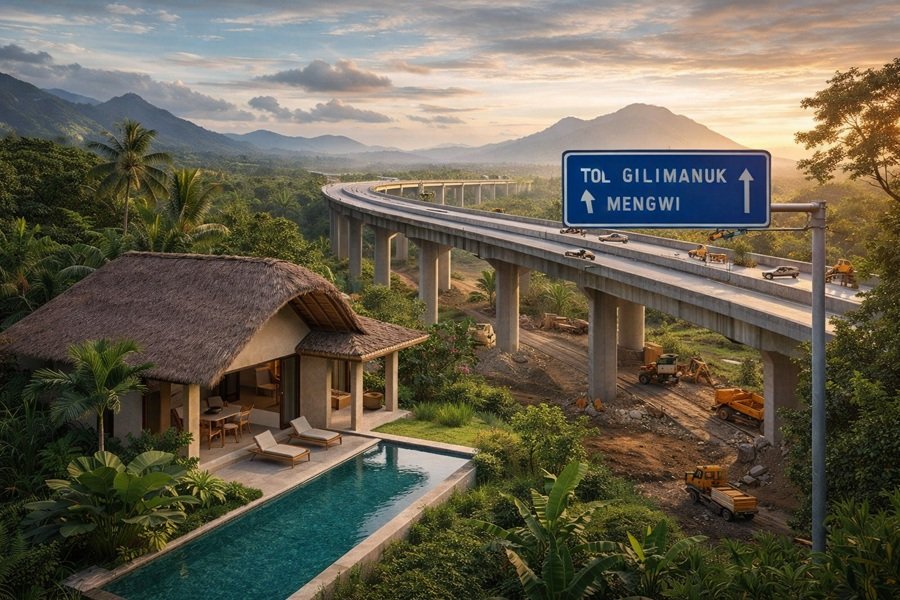
Introduction: Infrastructure That Shapes Property Value
Infrastructure development has always played a crucial role in shaping real estate markets, and Bali is no exception. As the island continues to evolve beyond its traditional tourism centers, planned toll road projects in Bali are becoming a major topic of discussion among investors, developers, and villa owners.
These toll road plans are not just about reducing traffic congestion. They represent a long-term strategy to improve connectivity across the island, redistribute tourism flows, and unlock new areas for development. For the Bali villa market, toll roads have the potential to significantly influence villa location desirability, land value, and future investment opportunities.
Overview of Planned Toll Road Developments in Bali
Bali’s most discussed toll road plan is the Gilimanuk–Mengwi Toll Road, designed to connect West Bali directly to the central and southern regions. The project aims to shorten travel time between Gilimanuk Port and Denpasar–Badung, which currently can take many hours during peak traffic.
In addition to this route, there are ongoing discussions around northern and eastern connectivity improvements, including roads that would support future tourism growth in less-developed regions of Bali. While timelines may shift, the direction is clear: Bali is preparing for more balanced regional access.
Why Toll Roads Matter for Villa Location
Villa value in Bali has always been closely linked to accessibility. Proximity to airports, beaches, restaurants, and attractions plays a major role in rental demand and resale value. Toll roads change this equation by compressing distance—making locations that once felt “too far” suddenly viable.
For villa investors, this means that location decisions can no longer rely only on today’s travel conditions. Instead, future infrastructure must be factored into long-term villa strategy.
Impact on Established Villa Areas
Popular villa destinations such as Seminyak, Canggu, Uluwatu, and Sanur are unlikely to lose demand due to toll road development. These areas already benefit from strong branding, mature infrastructure, and high tourist visibility.
However, toll roads may:
-
Reduce pressure on overcrowded southern areas
-
Encourage some travelers to stay outside traditional hotspots
-
Stabilize rental prices by spreading demand more evenly
For existing villas in prime locations, toll roads may not dramatically increase value, but they can protect long-term demand by easing congestion and improving guest experience.
Emerging Villa Locations Set to Benefit
The biggest impact of Bali’s toll road plans will be felt in emerging and underdeveloped regions.
West Bali (Tabanan & Jembrana)
Areas such as Medewi, Balian, and Soka Beach are already known for surf, nature, and tranquility. Improved access could turn these locations into attractive zones for:
-
Eco-luxury villas
-
Wellness retreats
-
Low-density boutique developments
Land prices in these regions remain relatively affordable, making them appealing for early-stage investors.
Inland and Northern Corridors
Improved connectivity may also increase interest in inland Bali, where scenic rice fields, river valleys, and mountain views dominate. Villas here are often larger, more private, and better suited for long stays or digital nomads seeking quieter environments.
Changes in Guest Behavior and Villa Demand
As travel times shorten, guest preferences evolve. Toll roads could encourage:
-
Multi-location stays, where guests split time between south Bali and quieter regions
-
Longer stays in nature-focused villas
-
Increased demand for villas with parking, privacy, and self-contained facilities
This shift favors villas designed for experience-based travel, not just proximity to nightlife or shopping.
Investment Perspective: Risk and Opportunity
From an investment standpoint, toll road development creates both opportunity and risk.
Opportunities
-
Early investment near future access points
-
Higher capital appreciation in emerging zones
-
Lower competition compared to saturated villa markets
-
Strong alignment with eco and wellness tourism trends
Risks
-
Uncertain timelines and project delays
-
Land zoning and permitting complexity
-
Environmental and community considerations
-
Overdevelopment risk if planning is not controlled
Smart investors will focus on legally zoned land, reputable local partners, and long-term holding strategies rather than short-term speculation.
Environmental and Cultural Considerations
Infrastructure expansion in Bali is sensitive. Toll road projects must balance economic growth with:
-
Agricultural land preservation
-
Sacred sites and traditional villages
-
Environmental protection
For villa developers, this increases the importance of sustainable design, community engagement, and responsible development practices. Villas that respect local context are more likely to gain long-term acceptance and operational stability.
How Villa Developers Are Adapting
Forward-thinking villa developers are already adjusting strategies by:
-
Targeting locations within reasonable distance of future toll exits
-
Designing villas for long stays rather than pure holiday use
-
Incorporating sustainability and self-sufficiency
-
Focusing on lifestyle-driven concepts instead of mass tourism
This approach aligns with Bali’s broader goal of quality tourism over quantity.
Conclusion: Toll Roads as a Long-Term Game Changer
Bali’s planned toll roads represent more than infrastructure—they signal a shift in how the island will grow, move, and host visitors in the future. For the villa market, the impact will be gradual but significant.
While established villa areas will remain strong, the real transformation lies in new villa locations that benefit from improved access without sacrificing nature and authenticity. Investors and developers who understand this shift early will be better positioned to capture value in Bali’s next growth phase.
In the years ahead, villa location strategy in Bali will increasingly be defined by connectivity, sustainability, and long-term vision—not just beachfront proximity.
Bali Villas Articles
- New Direct Flights to Bali in 2026: A Tourism Boost or a Booking Challenge for Villa Owners?
- Bali Villas: How the Iran War Is Impacting Villa Occupancy in 2026
- Sustainable Villas in Bali: The Rise of Eco-Luxury Living
- Canggu Bali: Full of Tourists and Villa Developments Even in Low Season
- Seminyak Beach Bali — Still a Luxury Destination Amid Erosion Challenges
- Why Jimbaran Is Bali’s New Luxury Villa Hotspot in 2025 | Bali Villas Guide
- Bali Villa Registration Gap: The Hidden Crisis Behind Unlicensed Rentals
- Amed Villas Development | New Bali Tourism & Villa Investment Destination
- Overtourism, Regulation & Crime: Bali Villa Owners Facing New Challenges
- Bali Diving Adventure | Explore Bali’s Underwater World Near Luxury Villas
- Bali Trekking Around Bali Hidden Trails and Stay in Scenic Bali Villas
- New OTA Rules Indonesia: Property Listings Must Have NIB in 2026
- Best Areas to Buy a Villa in Bali in 2026 | Investment Guide
- Bali Visa Guide 2025
- Romantic Bali Villa Getaways
- Wellness Villas in Bali: Health & Nature Inspired Vacation Homes
- Bali Airport Prepares for Hantavirus Concerns: What Tourists Need to Know in 2026
- Why Foreigners in Bali Are Selling Villas Cheaply Due to NIB and OTA Rules
- Best Places to Build a Villa in Bali
- ROI Realities: Investing in Bali Villas in 2026
- Why Bali Villa Occupancy Is Down: Oversupply, Pricing & Global Travel Costs